Ghalia’s Story: The Education She Fought For — and Why It Matters
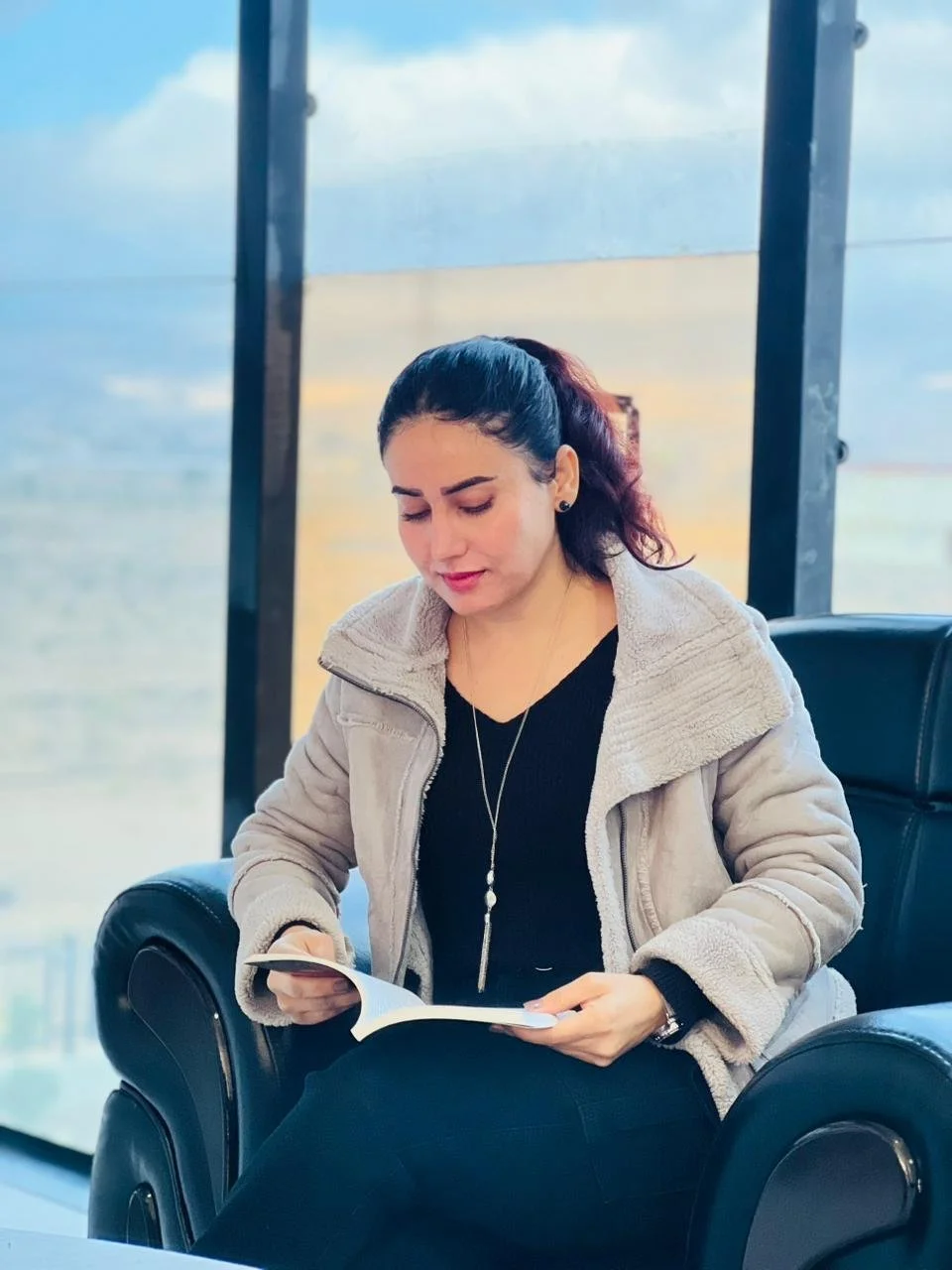
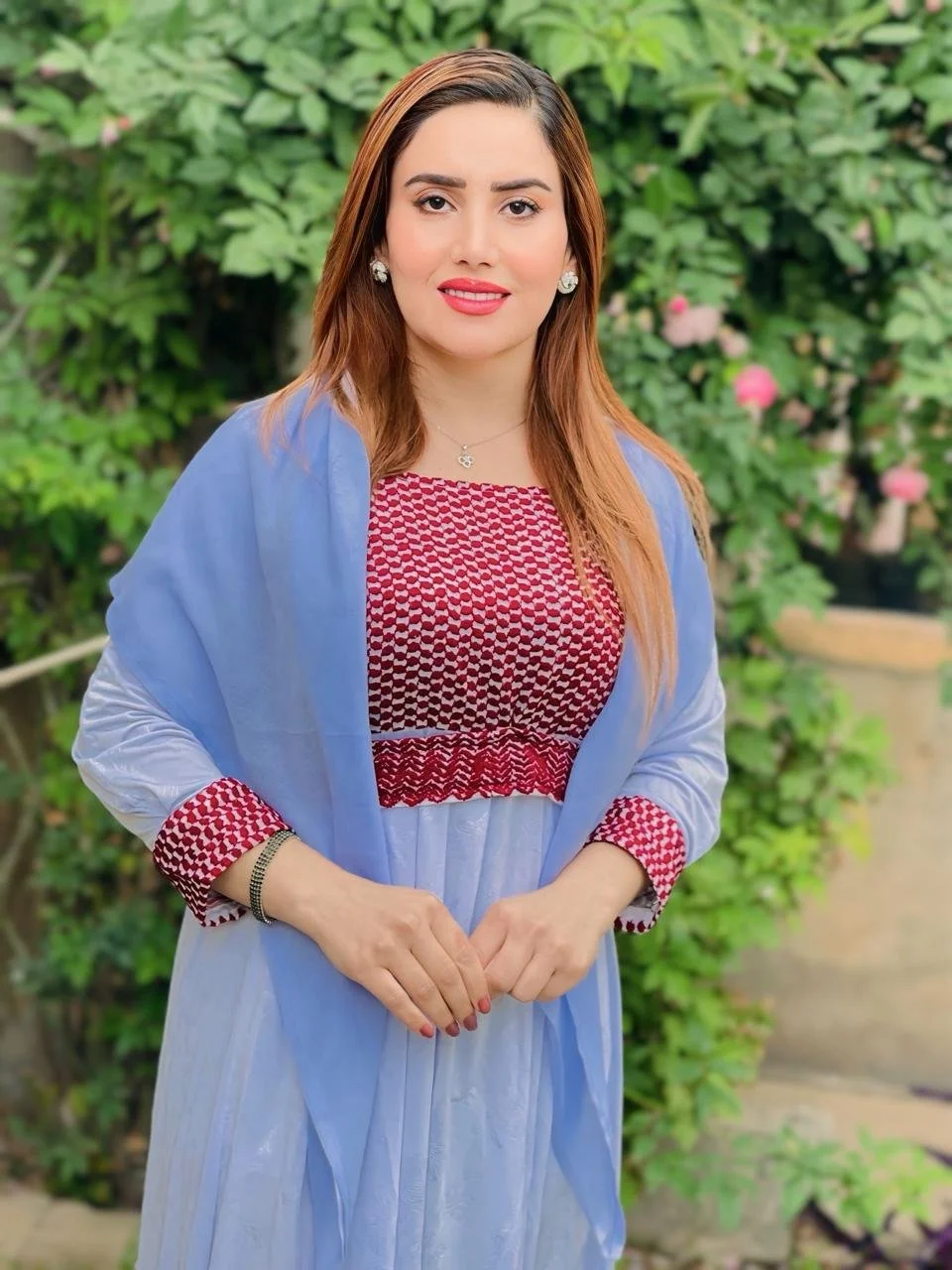
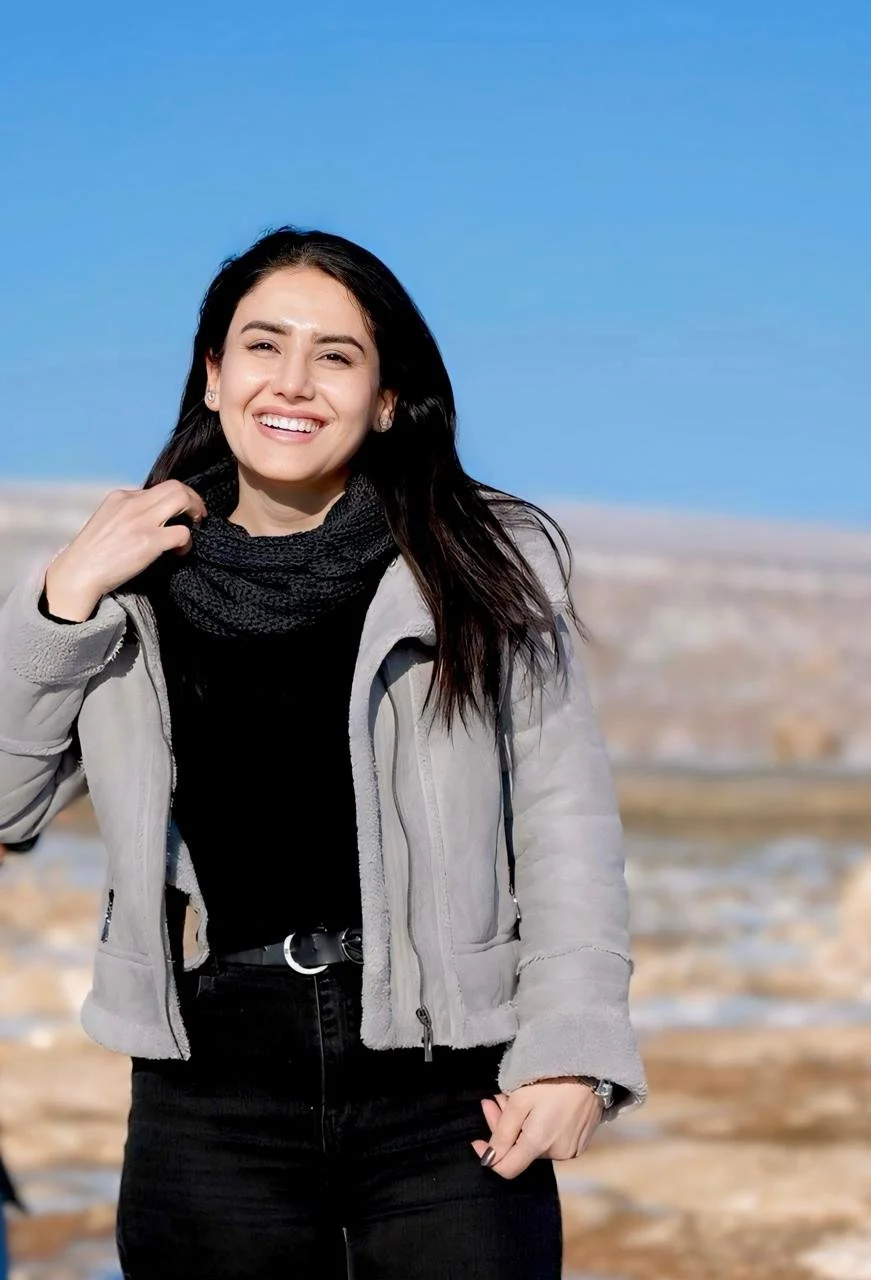
My name is Ghalia, and I am 32 years old. Before 2014, I lived with my family in Al-Qahtaniya, where life was peaceful — neighbors helping neighbors, everyone part of one community. I grew up in a poor Yazidi family of nine children, and from a young age I helped with farming instead of going to school. Despite that, I was determined to learn. I believed education was the only way to improve my life.
In 2014, ISIS attacked Sinjar. My family, along with many other Yazidi families, was besieged in Wardiya village for three days. We escaped secretly at night, walking on foot to Mount Sinjar, where we stayed for five days with barely enough food or water. From there, we walked to Syria and eventually to the Kurdistan Region.
Life in the displacement camps was extremely difficult, and I was forced to leave my studies again to work and support my family. But I refused to give up. I had already survived the 2007 Al-Qahtaniya bombing, which took many of my relatives. Even then, I told myself I had to continue. I returned to school, worked during holidays, and helped support my siblings so they could continue their education too.
While I was preparing for my final high school exams, my mother became seriously ill. I studied and cried at the same time. Still, I succeeded and was accepted into the Technical Institute, Department of Medical Laboratory Analysis. My mother passed away from cancer before I graduated, but completing my degree became a way to honor her — proof that hardship would not define my future. After returning to Sinjar, I began working with civil society organizations and later at Sinjar Hospital.
I chose to join the Global English Language Program provided by Jesuit Worldwide Learning (JWL) at the NI Women’s Center because I wanted to keep developing myself and open new doors. The schedule worked for me, the program was free, and the teachers are experienced and genuinely respected. It has made a real difference. My routine has changed, and I now take part in meaningful discussions with teachers and classmates that have given me more awareness, confidence, and motivation. The program has helped me see the future with hope — and with belief in my own abilities. I've also started teaching my two nephews English words and simple sentences, passing on what I learn.
Sinjar still needs strong, sustained support — in basic services, education, healthcare, and economic opportunity. I hope to see it become safe again, a place where different cultures and religions live together peacefully. My dream is to achieve justice and defend those who are oppressed. I believe that with education, stability, and continued support, the people of Sinjar can rebuild their lives and create a better future for the next generation.